

Last Updated: November 1, 2026
Quick Summary
Sustainable habits for a zero waste lifestyle start with one small, repeatable action, such as carrying a reusable bottle or bags. Add the next habit only after the first feels automatic, usually within two to three weeks. Following the refuse, reduce, reuse order before recycling gives the biggest reduction in waste.
- Start with one habit for the first two weeks, such as a reusable water bottle or shopping bags.
- Add a second habit only after the first feels automatic, usually after two to three weeks.
- Follow the order: refuse, reduce, reuse, then recycle, since recycling does the least for waste volume.
- The average American generates around 4.9 pounds of trash per day, per the EPA.
- Run a monthly waste audit and use the largest category to choose your next habit.
Table of Contents
- Why Start Small: The Zero Waste Hierarchy in Practice
- How to Start a Zero-Waste Lifestyle Without Overhauling Your Home
- Zero-Waste Swaps for Beginners That Cost Little or Nothing
- How to Reduce Plastic Waste at Home, Room by Room
- Refillable Cleaning Products and Hygiene Systems Worth Considering
- Mistakes, Trade-Offs, and How to Stick With Your Habits
- Tracking Your Household Waste and Choosing Your Next Habit
- Frequently Asked Questions
Most people who try to live with less waste quit within a few weeks, not because they lack motivation, but because they tried to change everything at once. A sustainable habit for a zero waste lifestyle works differently. It starts with one small, repeatable action and builds from there. The best results usually come from shifting one routine at a time.
A zero waste lifestyle is the practice of reducing the amount of trash a household sends to landfill by refusing, reducing, and reusing before anything gets recycled. According to the EPA's Facts and Figures on Materials, Waste and Recycling, the average American generates around 4.9 pounds of trash per day, and a large share of that comes from packaging and single-use items.
Why Start Small: The Zero Waste Hierarchy in Practice
The most useful framework for reducing waste is the hierarchy: refuse what you do not need, reduce what you do use, reuse what you already own, and only then recycle. Recycling sits at the bottom because it still requires energy and processing, even when it works well.
Refuse, Reduce, Reuse Before You Recycle
Refusing is the cheapest step because it costs nothing: decline free plastic cutlery, single-use straws, and extra receipts. Reducing comes next: buy the larger size if you finish it, or choose concentrated products that ship with less packaging. Reusing means replacing a disposable with something you refill, such as a glass jar or a refillable spray system.
Where Higher-Impact Choices Matter Most
Not every habit moves the needle equally. Packaging from frequently bought items, such as cleaning products and personal care, adds up quickly. A single refill that replaces a new plastic bottle each time removes a recurring source of waste. Start your audit with the items you replace most often, because those habits compound fastest.
How to Start a Zero-Waste Lifestyle Without Overhauling Your Home
You do not need to empty your cabinets to begin. Pick one category of waste, learn how it flows into your trash, and change only that. The goal for the first month is consistency, not a spotless sustainability score. A realistic plan sequences habits so each one is automatic before the next is added, and it accounts for budget, storage space, mobility, and whether bulk or composting is available where you live.
Choose One Habit for the First Two Weeks
Select a single habit that is easy to repeat, such as carrying a reusable water bottle or bringing your own bags to the grocery store. Keep it in front of you: leave the bottle by the door and the bags in the car.
A useful filter for choosing the first habit: pick the disposable item you throw away most often that also has a free or already-owned replacement.
A Realistic Habit-Building Plan With Milestones
Use a simple schedule that sequences habits by category rather than by enthusiasm. In weeks one and two, establish one habit. In weeks three and four, add a second habit in the same category, such as swapping paper towels for washable dish rags.
A workable 8-week sequence looks like this:
- Weeks 1-2: One carry habit (bottle, bag, or coffee cup). Success = remembered on at least 10 of 14 days.
- Weeks 3-4: One kitchen habit (cloth rags instead of paper towels, or storing leftovers in glass jars you already own). Success = the disposable version is not repurchased when it runs out.
- Weeks 5-6: One shopping habit (bulk bins, larger package sizes, or refusing produce bags). Success = one fewer packaged item per shopping trip.
If a habit fails, do not restart the whole plan. Diagnose the trigger, the bottle left in the car, the bags forgotten on an unplanned stop, and change the environment rather than the goal.
Adapting the Plan to Real Constraints
A plan that assumes unlimited time, money, and space is not realistic. Adjust the sequence to your situation:
- Budget: Start with habits that cost nothing, refusing, reusing what you own, and washing cloths instead of buying paper towels. Do not buy specialty containers, beeswax wraps, or matching glass jars before a habit exists. When you do buy, buy one item at a time and only when the disposable it replaces has run out.
- Storage: If you live in a small apartment, skip stockpiling jars and bulk goods. A single countertop scrap container and one set of cloths take less space than the disposables they replace.
- No bulk stores nearby: Choose larger package sizes and concentrated refills at the store you already shop at. Buying the biggest size you will actually finish reduces packaging per use without a special trip.
Zero-Waste Swaps for Beginners That Cost Little or Nothing
The cheapest changes are often the most durable. You can begin with items you already own and upgrade only when a disposable runs out.
Reusable Bags, Bottles, and Produce Bags
Keep a few reusable shopping bags in your car and a reusable bottle in your bag. Mesh produce bags are inexpensive and washable, and old cloth bags, pillowcases, or mesh laundry bags work just as well if you already have them. A common mistake is buying expensive specialty gear before the habit exists, so start with what is on hand.
Buying Less Packaging and Shopping in Bulk
Bulk bins let you buy dry goods, such as rice, oats, and nuts, in the quantity you need. Bring clean containers and weigh them before filling. Where bulk is not available, choose larger packages and concentrated refills, which typically produce less packaging per use. You can browse the full product catalogue to find refillable options.
The article's cheapest starting points, with the best use for each.
| Swap | Best for | Key difference |
|---|---|---|
| Reusable shopping bags | Grocery trips | Kept in the car, replace single-use bags |
| Reusable bottle | Daily carry | Refill instead of buying bottled drinks |
| Mesh produce bags | Fruit and vegetables | Washable, replace plastic produce bags |
| Bulk bins | Dry goods like rice, oats, nuts | Bring clean containers and weigh them first |
| Larger packages or concentrates | Stores without bulk bins | Less packaging per use |
How to Reduce Plastic Waste at Home, Room by Room
Work through your home one room at a time rather than all at once. The kitchen and bathroom usually generate the most disposable waste, so they are the best places to start.
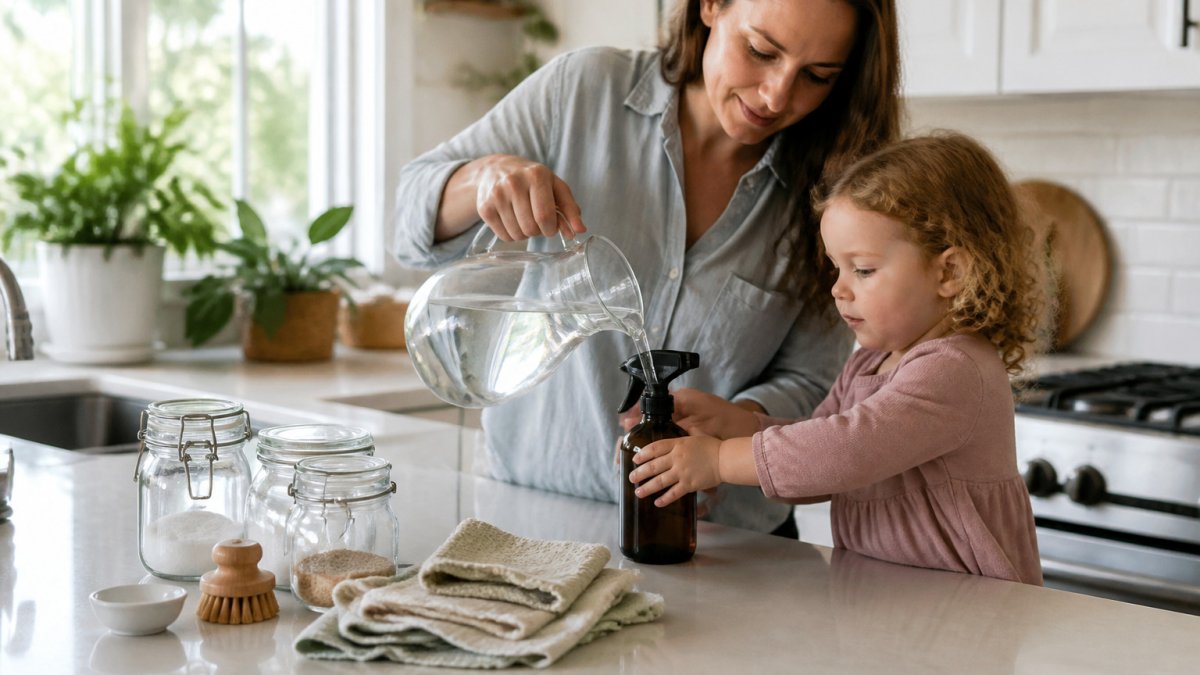
In the kitchen, replace plastic wrap with beeswax wraps or reusable containers, and keep glass jars for storing leftovers and pantry staples. You can see which surface cleaners come in refillable or concentrated form.
Refillable Cleaning Products and Hygiene Systems Worth Considering
Refillable systems make the most sense for products you buy regularly. You can explore the reusable atomizer and refill system to see how it works.

Ask whether the product is used daily, whether the refill is compatible with a container you already have, and whether it reduces the plastic you buy each month. If yes to all three, the switch is likely worth it.
Mistakes, Trade-Offs, and How to Stick With Your Habits
Most people struggle with the same few issues. The first is buying too many new containers at once, which creates clutter and a new kind of waste.
The second is treating every imperfection as failure. Forgetting your bag once does not undo your progress. The third is assuming all reusable products are automatically better.
To keep habits in place, attach them to something you already do, such as packing a bag before work or refilling the atomizer after your morning shower. You can review the company's sustainability commitments and packaging design.
Tracking Your Household Waste and Choosing Your Next Habit
After a month, look at your trash and recycling bins and note which items fill them most often. That list tells you where the next habit should go: if packaging dominates, focus on bulk and refills; if food waste leads, start with meal planning and composting.
A more useful approach is a simple household waste audit you can repeat monthly, with categories and a rough volume measure, so you can see whether a habit actually moved the number.
Run a Simple Monthly Waste Audit
Pick one collection day per month and audit the landfill bin before it goes out. Sort the contents into a short list of categories and note roughly how much of the bin each one fills:
- Packaging, food wrappers, shipping mailers, clamshells, and bottles.
- Food scraps, peels, leftovers, and spoiled items.
- Paper products, paper towels, napkins, receipts, and junk mail.
For volume, use the bin itself as the unit: estimate each category as a fraction of the bin (a quarter, a third, half). For a more consistent measure, note how full the bin is on collection day in inches from the rim, or count the bags. The goal is a repeatable number, not a precise one.
Track Repeat Purchases, Not Just Trash
Trash volume tells you what you threw away; repeat purchases tell you what you keep buying.
A simple rule: the item you buy most often is the one worth replacing first, because the waste compounds with every purchase. A refillable cleaning system can replace bottles you would otherwise buy repeatedly, so the packaging reduction repeats with each refill.
Compare Months and Choose the Next Habit
At the end of each month, compare the audit to the previous one. Three outcomes are possible, and each points to a different next step:
- The category you targeted shrank. The habit is working, keep it and add a habit in the next-largest category.
- The category stayed flat. The habit is not yet automatic, or the swap does not fit your routine. Change the environment or the product before adding anything new.
- A new category grew. A swap can shift waste rather than remove it (for example, more glass jars if you buy in bulk without a plan to reuse them). Address the new category before moving on.
Beyond the Kitchen and the Shopping Cart
A household audit covers the bins, but a zero waste lifestyle also runs through clothing, electronics, personal care, travel, and work.
The most sustainable habits for a zero waste lifestyle are the ones you can keep for years, not the ones that look impressive for a week. Refining your consumption patterns often reveals that minimalist lifestyle habits provide the necessary structure to sustain these long-term environmental commitments.
Frequently Asked Questions
How do I start a zero-waste lifestyle?
Start with one habit rather than a full overhaul. Most people find it easiest to begin with the item they use most often, such as a reusable water bottle or a cloth bag for groceries. Once that habit feels automatic, usually after two to four weeks, add the next one. Track what your household throws away for a week to see where the largest waste sources are, then pick your first change from that list. Starting small keeps the effort sustainable and avoids the burnout that comes from trying to change everything at once.
What are the easiest sustainable habits to adopt?
The easiest habits are the ones that replace a disposable item you already use daily. Carry a reusable water bottle, bring cloth bags when shopping, and keep a set of reusable produce bags in your purse or car. Using dish rags instead of paper towels for everyday cleanup is another low-effort change. These swaps require almost no extra planning once they become routine, which is why they are usually the best starting point for beginners.
Are refillable cleaning products worth it?
Refillable cleaning products can be worth it if you use them regularly and replace the refill rather than the whole container. Beyond Clean's refill system uses a reusable atomizer paired with refill bottles, which can reduce single-use plastic compared with buying a new spray bottle each time. The upfront cost is higher than a basic disposable bottle, so compare the price of the refill against what you spend on cleaning products over a year. The savings depend on how often your household uses the product.
How can I reduce waste without spending a lot?
Many of the most useful changes cost nothing. Use what you already own, such as jars you have saved for food storage, and reuse containers instead of buying new ones. Cook from scraps where practical, compost food waste if your area allows it, and buy grains, beans, and spices in bulk when that is cheaper per unit. Fixing or repurposing items before replacing them also reduces both waste and spending.
How can I make zero-waste habits stick?
Tie each new habit to an existing routine, such as keeping your reusable bag by the front door or filling your water bottle while the coffee brews. Make the sustainable option the easiest one by keeping reusables visible and stocked. Expect occasional slips and do not treat them as failure. Reviewing your progress monthly, noting what you have replaced and what still goes to the trash, helps you choose your next milestone with realistic goals.
What does a realistic zero-waste routine look like?
A realistic routine is one you can maintain on a busy week. For most households it includes reusable bags and bottles, buying some staples with less packaging, using cloth instead of paper towels for most cleanup, and sorting food scraps for composting or a sink-side collection bin. Few people reach zero waste completely, and the goal is steady reduction. Measuring your household waste every few months shows whether your routine is actually working.


